
Blog
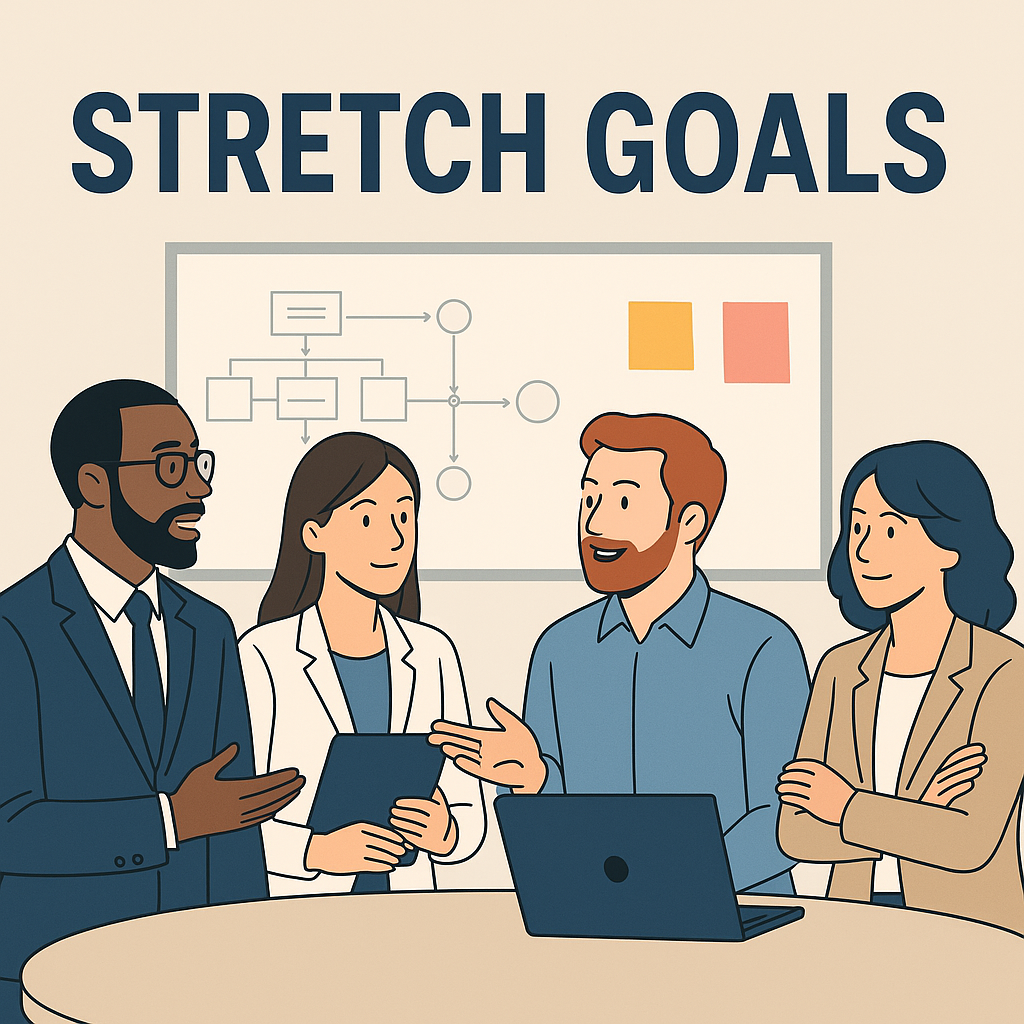
Stretch Goals in SAFe: A Powerful Tool—If Used at the Right Time
Understanding Stretch Goals in SAFe Stretch goals are aspirational targets—objectives that push boundaries beyond the team’s committed work. They serve as catalysts for innovation, learning, and system-level progress. But in a SAFe® environment, knowing when...
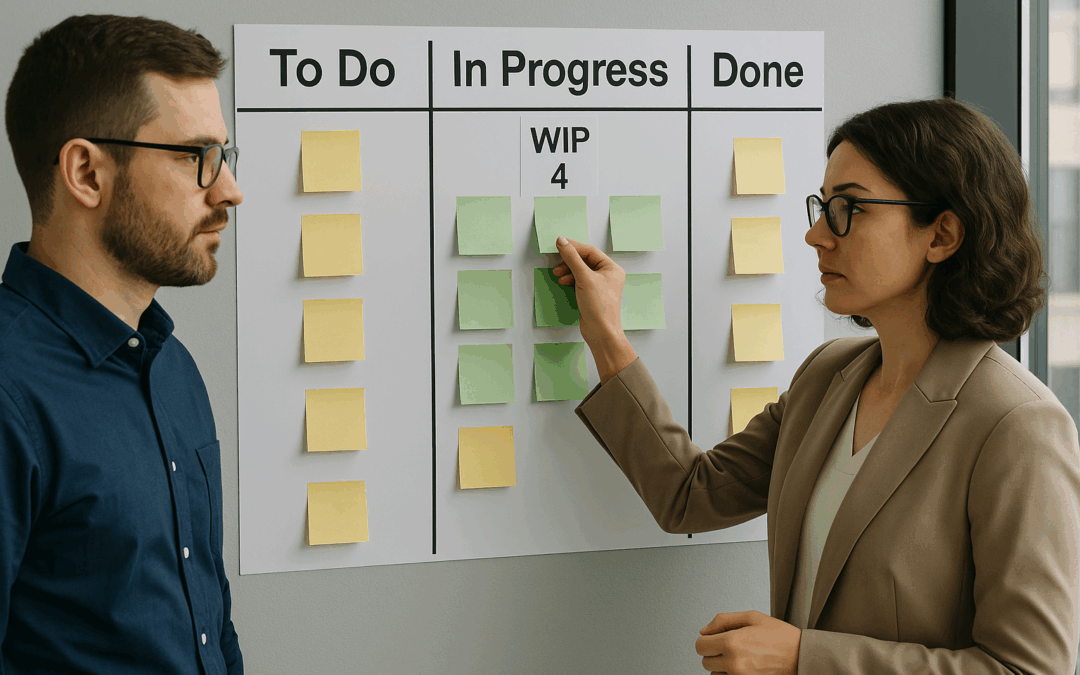
WIP Limits in Agile Kanban: What They Are, Why They Matter, and When to Evolve Them
Why WIP Limits Matter More Than You Think Work-In-Progress (WIP) limits aren’t just boxes on a Kanban board—they’re one of the most effective tools for managing flow, boosting team focus, and increasing delivery predictability in Agile environments. By limiting how...
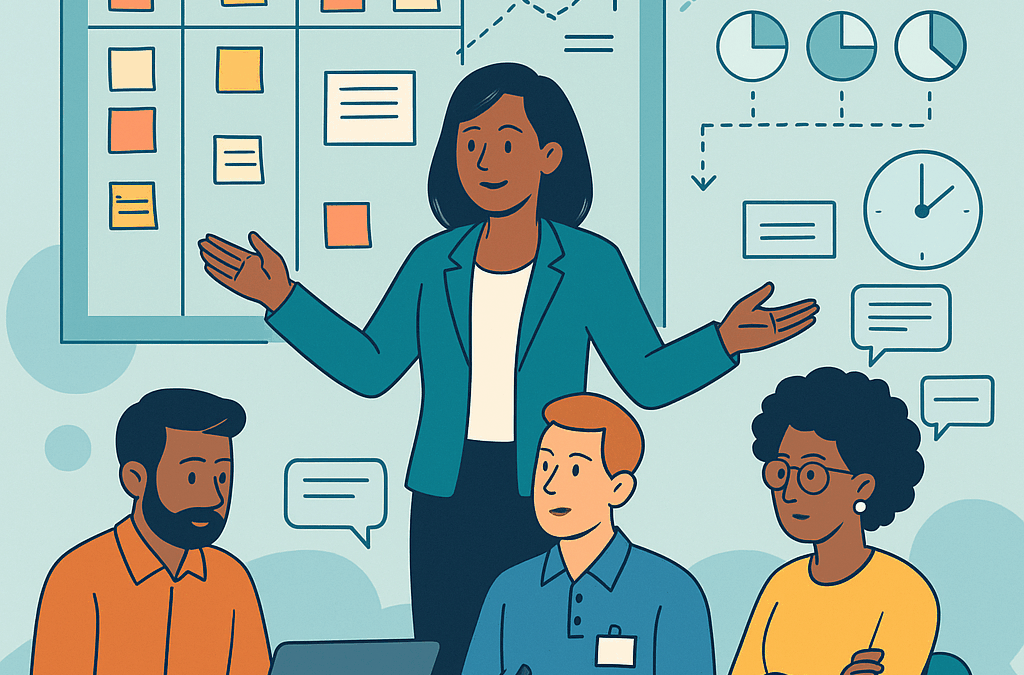
Behind Every Great Agile Release Train Is an Even Better RTE
What Makes a Great RTE? It’s not just about running the ceremonies. It’s about how you show up between them. The Release Train Engineer role is often described in terms of responsibilities: facilitate PI Planning, clear impediments, coach Scrum Masters. But having...

Hackathons Within SAFe: Structured Chaos that Sparks Innovation
The Power of Innovation Inside the Framework Agile is built on change. SAFe is built on flow. At first glance, hackathons—those frenzied bursts of experimentation and creativity—seem to defy both. But when done right, hackathons are not a departure from SAFe—they’re a...
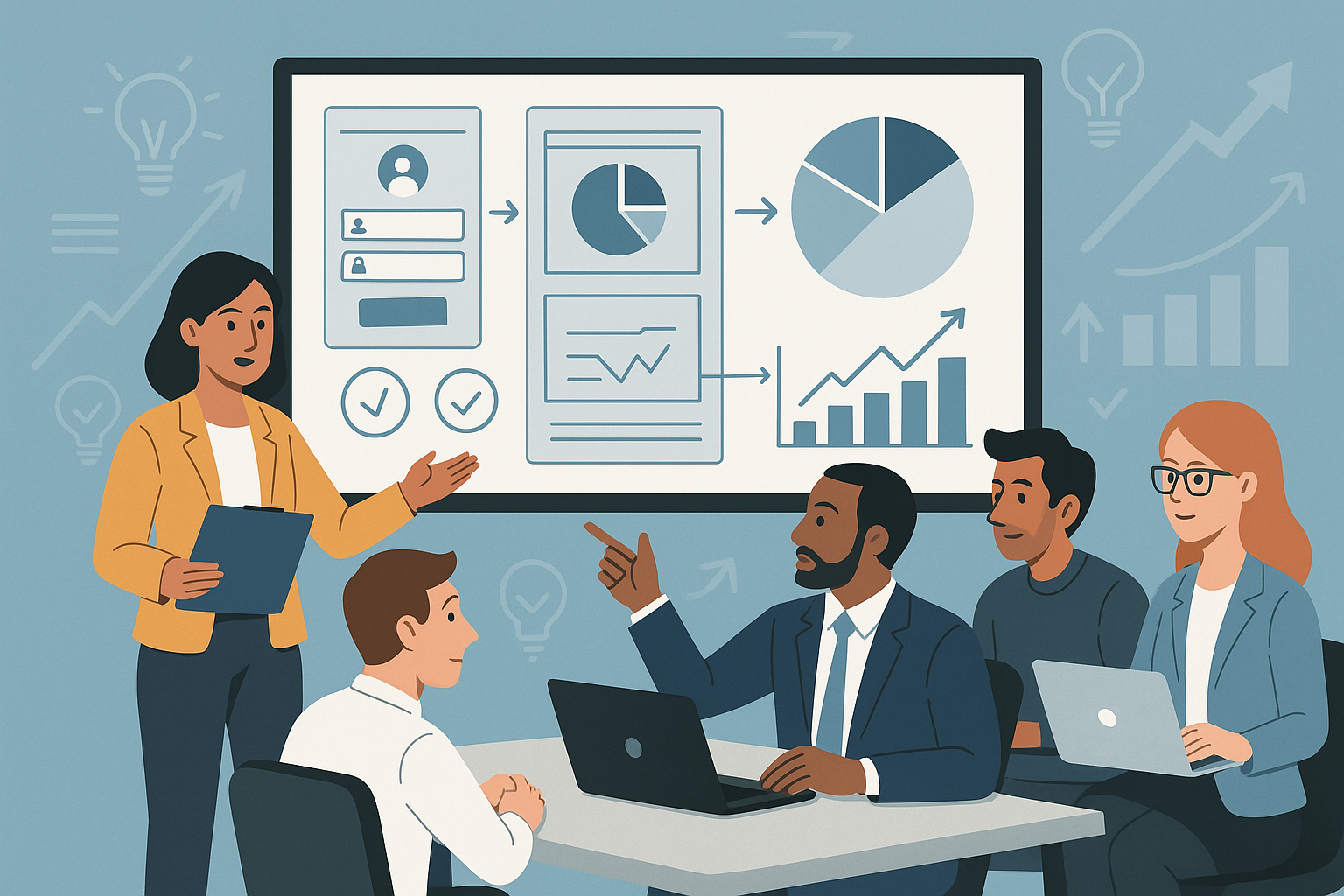
Anatomy of a Great System Demo: The Unsung Hero of Agile Success
What Is a System Demo in SAFe? The System Demo is SAFe’s version of the “sprint review” at scale—bringing alignment, visibility, and feedback to the Agile Release Train. The System Demo is a critical feedback loop embedded within SAFe® that occurs at the end of each...
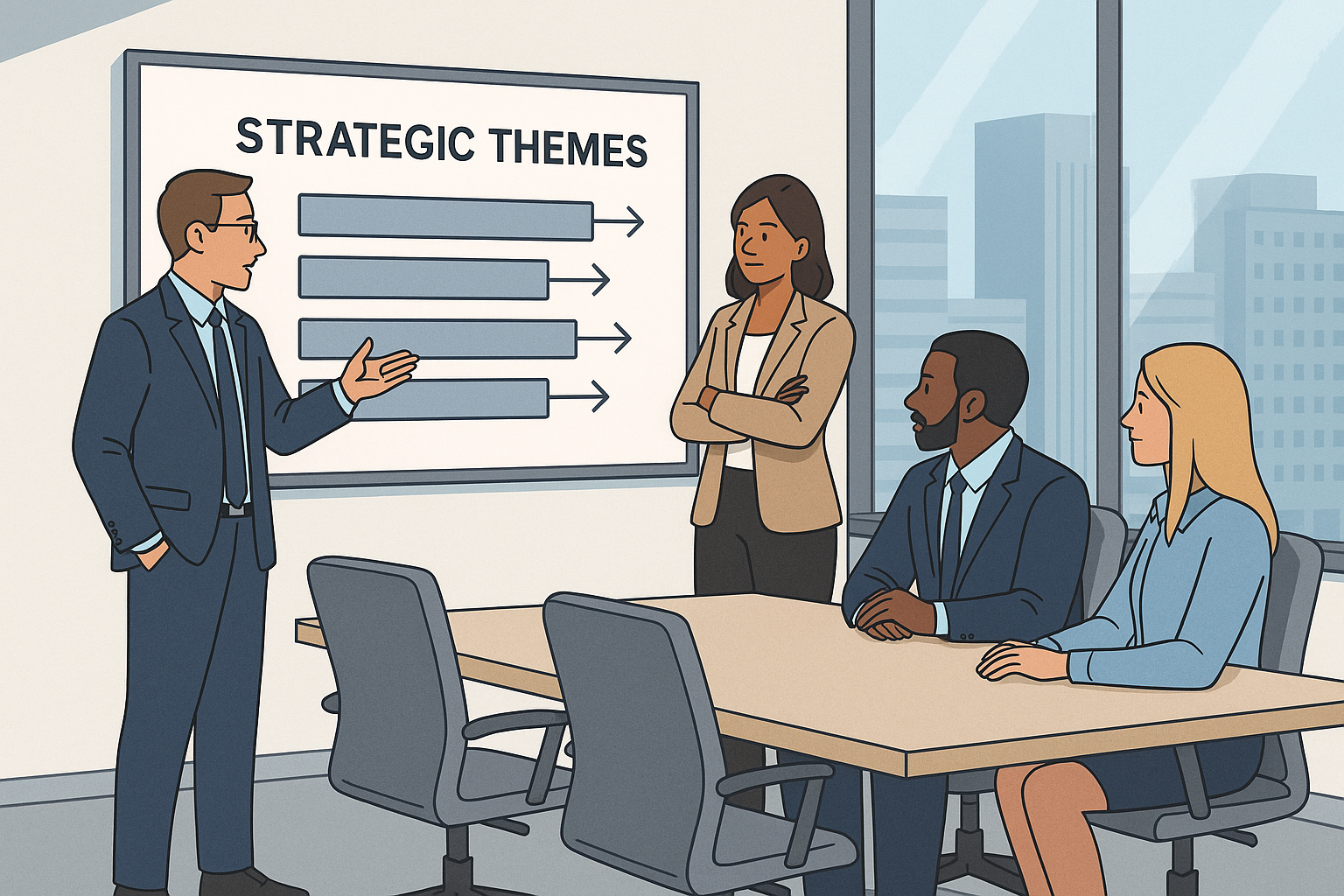
Strategic Themes in SAFe: The Key to Portfolio Alignment and Agile Execution
What Are Strategic Themes in SAFe? They articulate the business objectives that guide decision-making across SAFe portfolios. Strategic Themes provide a set of high-level, time-bound goals used to drive investment decisions, inform Portfolio Epics, and inspire Agile...
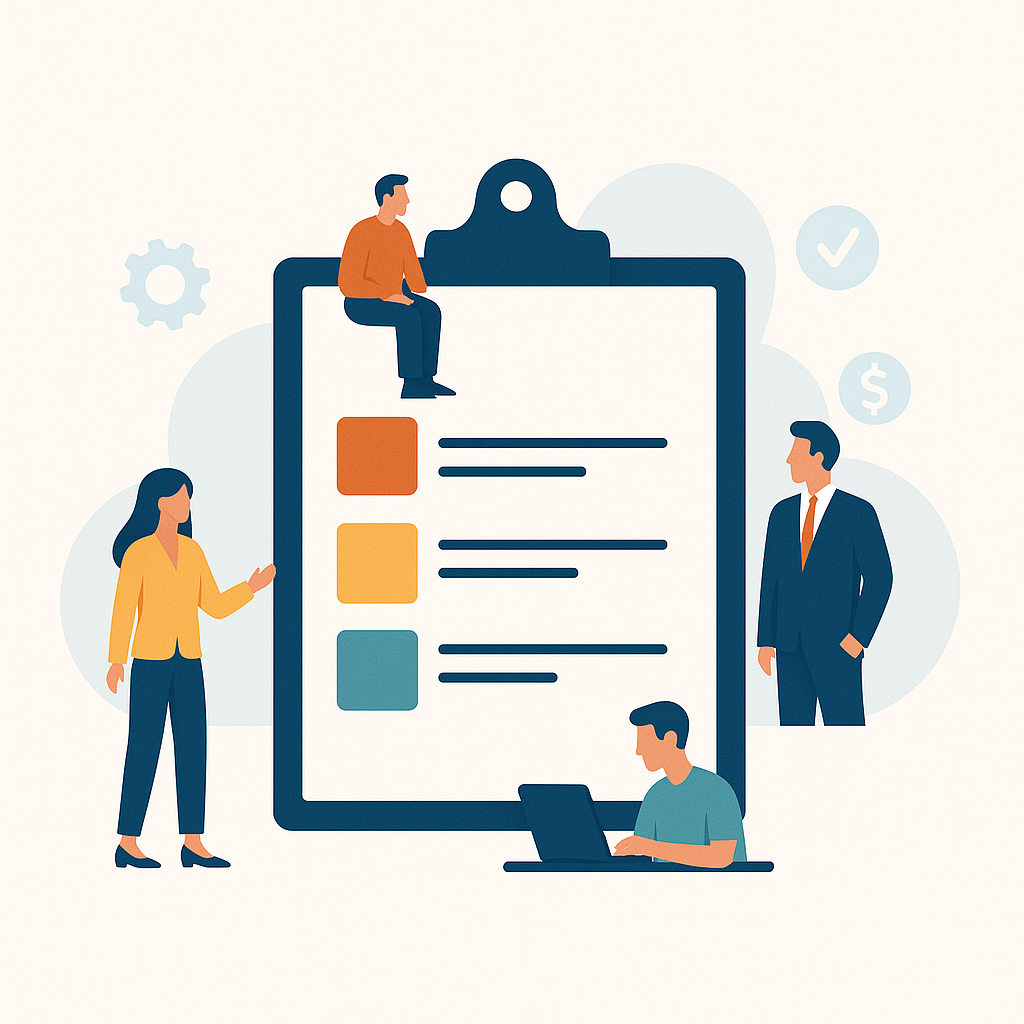
Who Holds the Power in ART Backlog Prioritization?
The Agile Release Train: A Symphony of Priorities The ART (Agile Release Train) isn’t a dictatorship. It’s not about who yells the loudest in PI Planning. It’s a carefully synchronized engine of value delivery—powered by collaboration and calibrated by customer needs,...
Stable Agile Teams, Predictable Outcomes: The Case for Long-Lived Agile Teams
Why Stability Is the New Velocity in SAFe In the rush to launch the next Agile Release Train or pivot to a new product strategy, too many organizations forget a foundational principle: great Agile teams are built over time, not assembled overnight. Long-lived Agile...
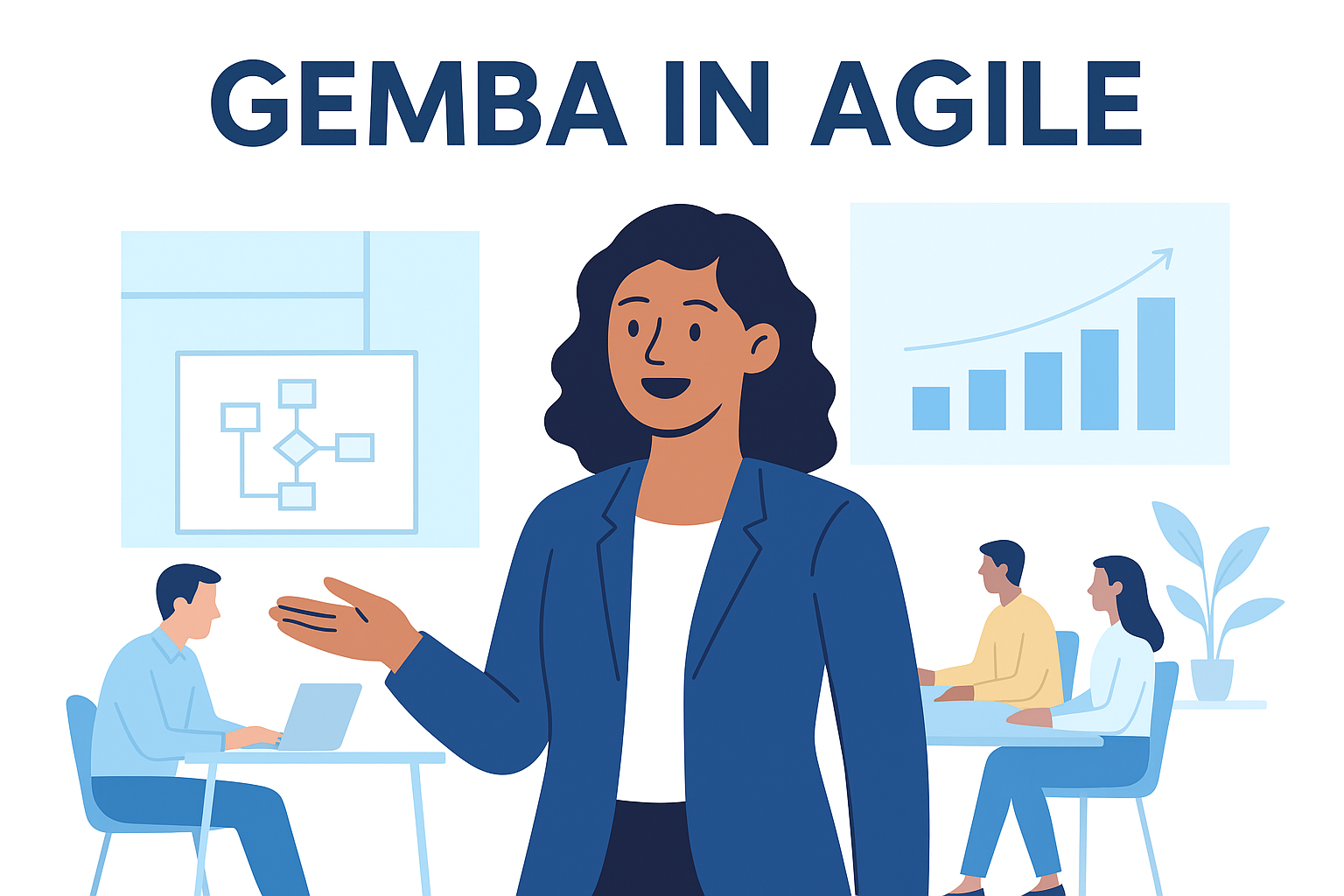
Gemba in Agile: How Leaders Illuminate Hidden Problems to Deliver More Value
What is Gemba and Why It Matters in Agile Gemba is a Japanese term meaning "the real place"—the actual location where value is created. In Agile and Lean organizations, this means stepping away from the conference room and going directly to the teams, systems, and...
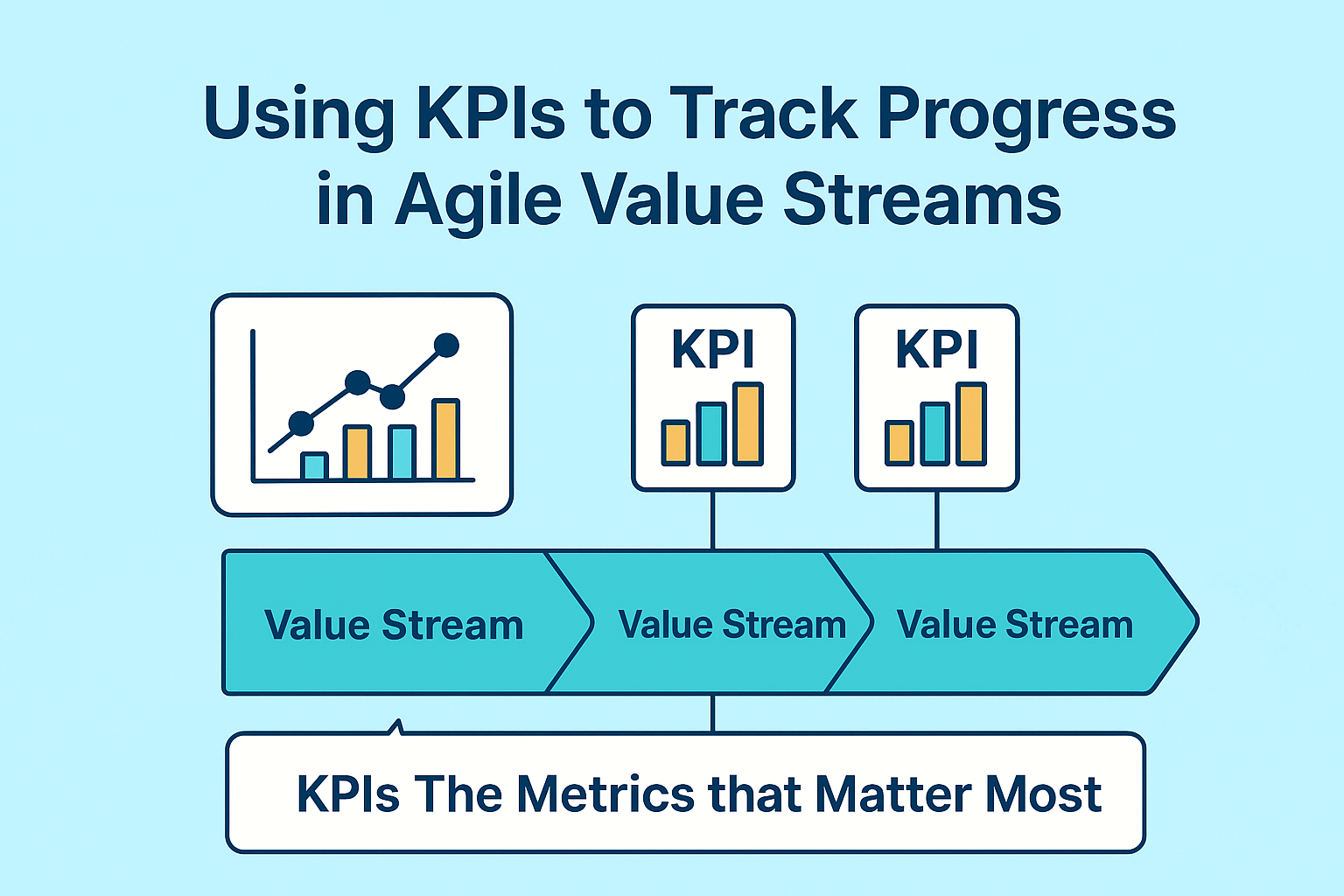
From Vision to Reality: Using KPIs to Track Progress in Agile Value Streams
Key Performance Indicators (KPIs) are more than just numbers—they are the vital signs of an enterprise’s Agile health. KPIs reflect whether the enterprise is delivering on its promises and progressing toward meaningful, measurable outcomes. In the Scaled Agile...

The Scrum Guide Misses These—And That’s Okay
Some of the most widely used Agile practices aren’t even in the Scrum Guide. And yet, they work. In every Agile coaching engagement, we encounter a familiar paradox: practitioners rigidly defending what’s not explicitly written in the Scrum Guide—only to find that...
Laying the Tracks for Innovation: The Power of Architectural Runway in SAFe
Understanding Architectural Runway in SAFe It's hard to deliver the future if your architecture is stuck in the past. In SAFe, the Architectural Runway refers to the existing technical foundation—code, components, infrastructure—that supports the implementation of...